Does the Derila Ergo Pillow Actually Fix Morning Neck Pain?
If you've been waking up with a stiff neck, sore shoulders, or that drained, unrested feeling — and you've been wondering whether a pillow can truly make a difference — this review is worth reading before you decide anything.
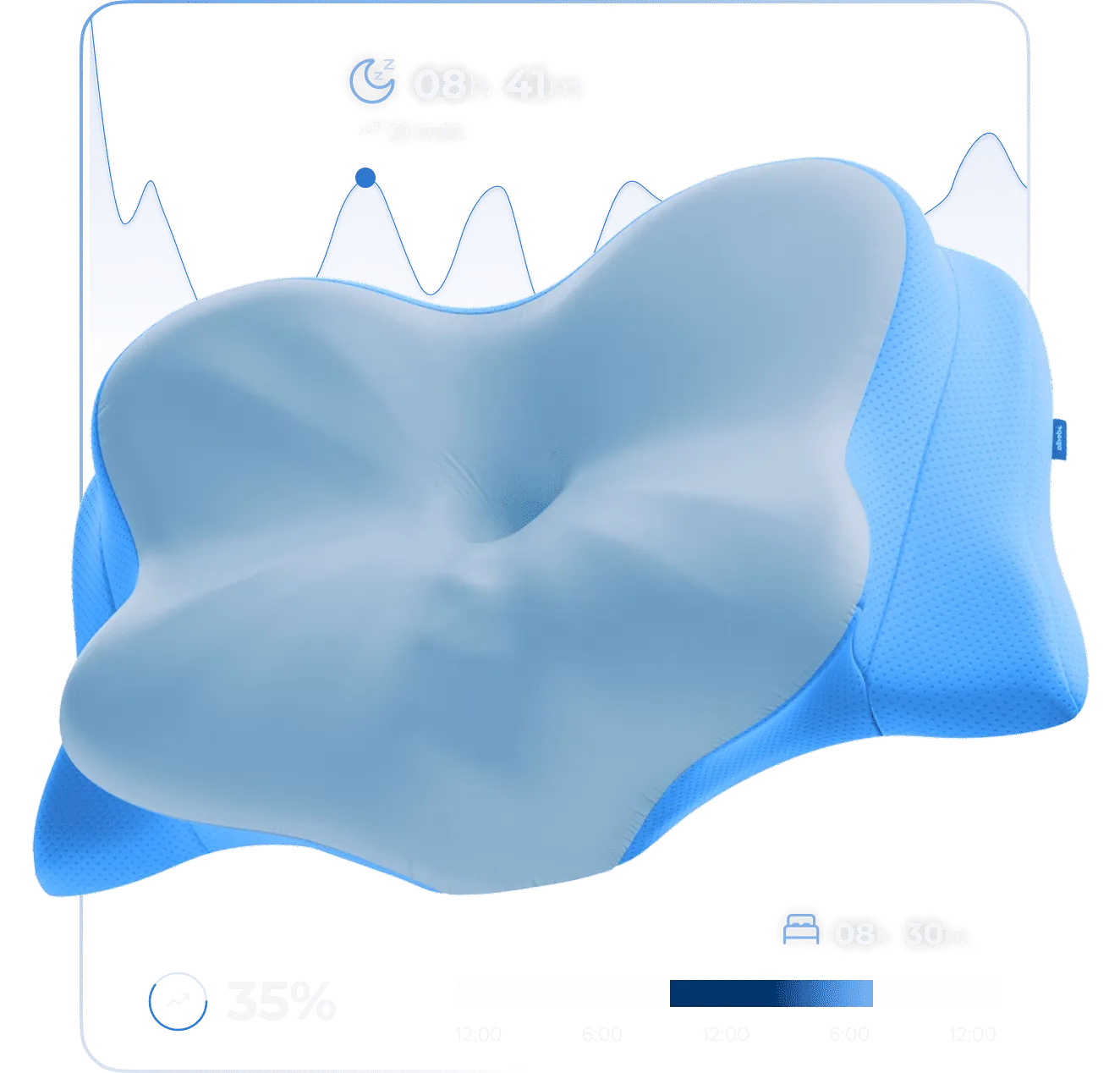

Why the Derila Ergo Is Getting Attention in 2026
The questions people bring to this pillow are consistent — and they deserve honest answers before any purchase decision.
"Is it really different from a normal pillow?"
The butterfly shape isn't decorative. Each curve — the central cradle, the shoulder arch wings, the neck rest zone — addresses a specific postural problem that flat rectangular pillows cannot. The difference is structural, not cosmetic.
"How long until I actually feel something?"
Most users notice a meaningful change within the first three nights. Those dealing with longer-term neck tension typically take 5–7 nights as their muscles readjust to a neutral cervical position. Patience in the first week matters.
"What if it doesn't work for me?"
Derila offers a 60-day return window on orders from the official website. That window is generous enough to give the pillow a proper trial — not just a single night. It's the most important reason to buy from the official source only.
What Exactly Is the Derila Ergo Pillow?
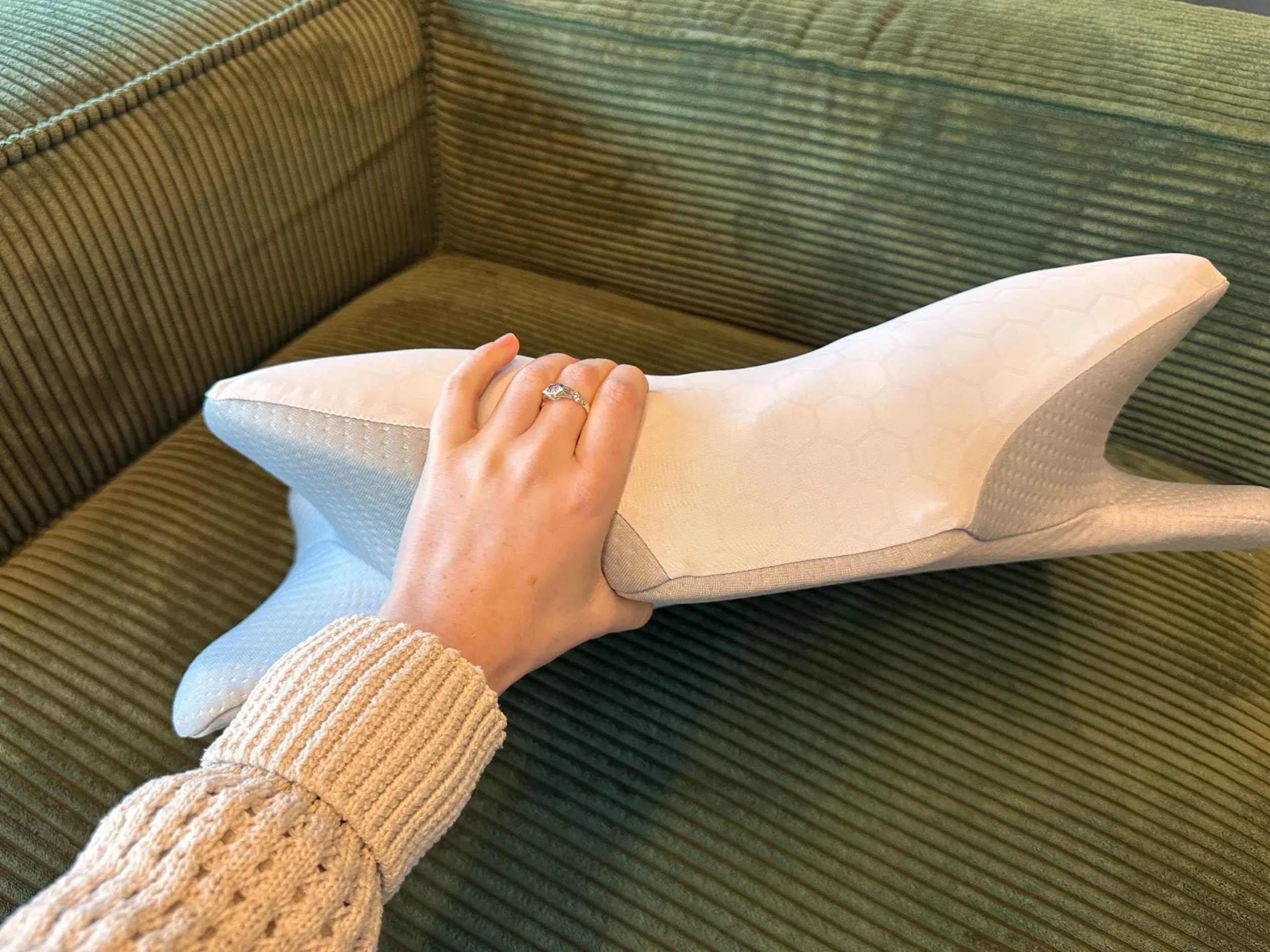
The Derila Ergo is a high-density viscoelastic memory foam pillow built around a butterfly-shaped contour. At 13 cm of loft (about 5.1 inches), it's engineered specifically to maintain the cervical spine's neutral alignment — the position your neck naturally wants to hold when you're standing, not when you're collapsed into a flat surface.
Unlike standard pillows that simply add volume, the Ergo model targets four distinct zones: a central head cradle for back sleepers, elevated shoulder arch wings for side sleepers, arm support cutouts to reduce pressure on the shoulder joint, and a lower neck rest zone that prevents the head from tilting too far forward or backward through the night.
The removable outer cover is breathable and machine-washable — a practical detail that matters for daily hygiene and long-term upkeep. The foam itself uses a slow-rebound (viscoelastic) composition: it deforms gradually under your weight and body heat, then returns to shape when pressure is removed. This is what gives it the "contouring" feel rather than a rigid push-back.
The Cervical Alignment Problem — And Why Pillow Shape Actually Matters
Most ergonomic pillows address height. The Derila Ergo addresses the complete upper-body posture picture during sleep.
Why flat pillows cause morning pain
When you sleep on a rectangular pillow, your head rests at whatever height the fill provides — which is often too low for back sleepers and too low for the shoulder-to-ear gap that side sleepers need. Over hours, your neck muscles compensate for this misalignment by subtly contracting to hold your head in place. By morning, those muscles have been working all night instead of resting. That's the origin of morning stiffness — not a mystery, just mechanics.
A 2019 study published in the Journal of Physical Therapy Science found that ergonomic, contoured pillow use reduced self-reported neck pain scores by an average of 22 percent over four weeks compared to standard pillows. That research wasn't funded by Derila — it examined contoured pillow design in general. The butterfly shape is one specific application of that principle.
Central Head Cradle
For back sleepers, the recessed center keeps the head level without allowing backward tilt. The neck rests against the lower contour at the correct angle for spinal neutrality.
Shoulder Arch Wings
Side sleepers have a gap between their shoulder and ear. Flat pillows collapse into this gap, bending the neck downward. The raised wings fill it — maintaining a straight cervical line.
Viscoelastic Memory Foam
High-density slow-rebound foam conforms to your specific head and neck shape under pressure and body heat — rather than pressing a rigid form back against you. Support that adapts rather than resists.
Who the Derila Ergo Is — and Isn't — Built For
No pillow is universal. Here's an honest breakdown of who tends to benefit most, and where the design has clear limitations.
Back Sleepers
The central cradle and neck rest zone are engineered precisely for this position. Back sleepers consistently report among the best results with the Derila Ergo.
Side Sleepers
The shoulder arch wings address the most common cause of side-sleeper neck pain — the shoulder-to-ear gap. For average to tall frames, this design fits well.
Chronic Morning Stiffness
People who wake up with recurring neck or shoulder tension, especially after years of using flat pillows, are the core audience. The adaptation period is real but short.
Desk Workers & Screen Users
If you already hold neck tension from daily screen time, adding 7–8 hours of poor overnight posture compounds it. Correcting the sleep position can meaningfully reduce daytime discomfort.
Frequent Travelers
The vacuum-sealed packaging means it compresses for luggage and expands back to full shape once unpacked. Several reviewers specifically noted they began traveling with it rather than using hotel pillows.
Not Ideal For Stomach Sleepers
At 13 cm, the loft is too high for dedicated stomach sleeping — it can push the neck into an unnatural arch. Very petite individuals with short necks may also find the height challenging.
What to Expect Night by Night
The Derila Ergo has a genuine adaptation curve. Here's the honest, night-by-night picture based on aggregated buyer experience.
Nights 1–2: The Adjustment
The butterfly shape is unfamiliar, and your neck muscles have been holding a compensated position for years. Most users notice the support immediately — some find it takes a night or two to fully relax into the correct posture. The foam also needs 2–4 hours to fully expand from its vacuum-sealed shipping state before first use.
Nights 3–5: Muscles Begin to Release
As the neck muscles learn what neutral position actually feels like — held passively rather than actively — the tension that built up over months starts to ease. Many users report the first noticeably better morning somewhere in this window. Some with longer-term stiffness take until night 5–7.
Week 2 and Beyond: Consistent Results
With the adaptation complete, most users describe waking up without the usual first-morning stiffness. Some report secondary benefits — reduced snoring as the airway is held more open, less shoulder tension from side sleeping, and less tossing and turning through the night as the body finds a position and holds it.
The Pillow Up Close
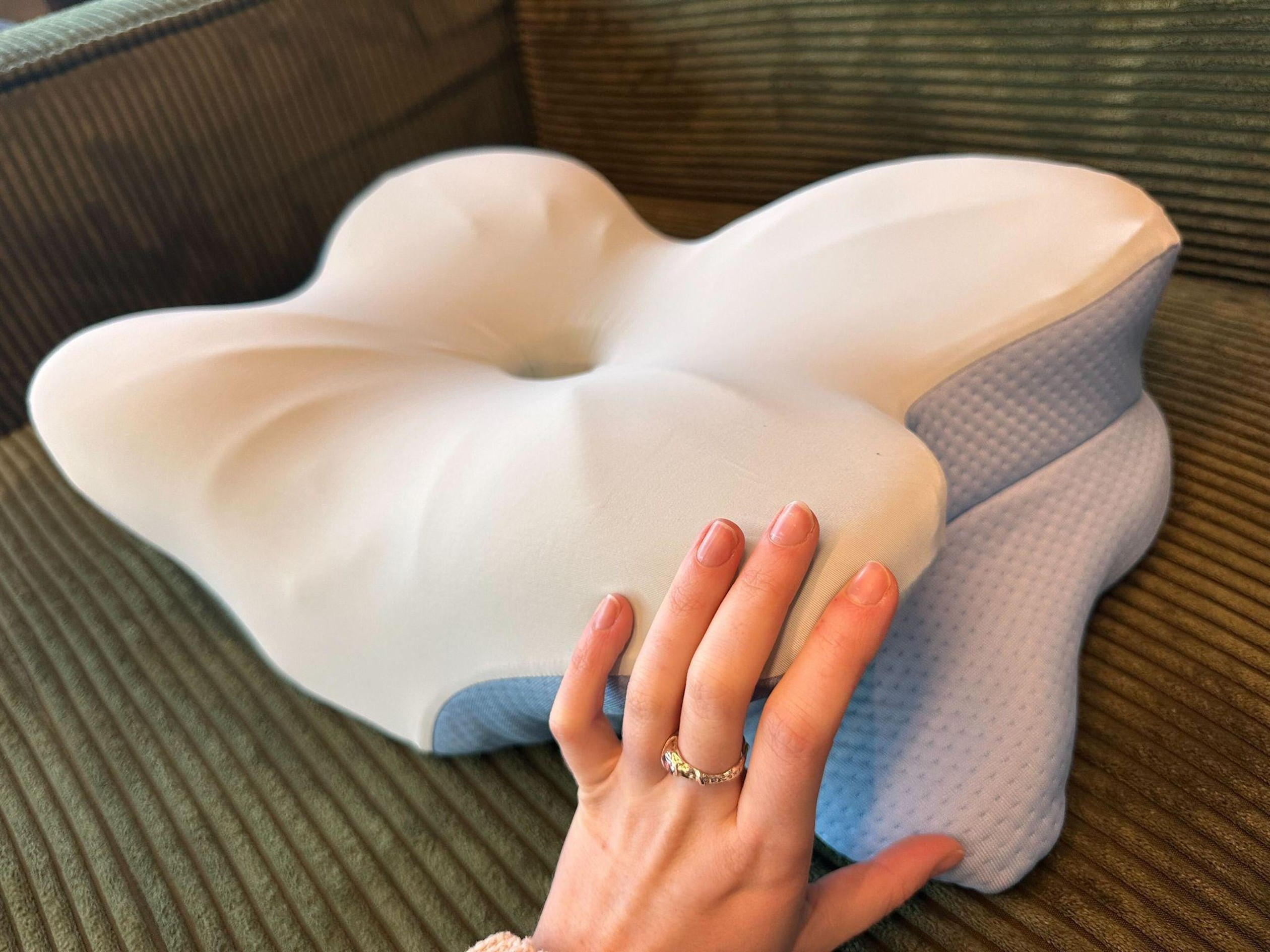
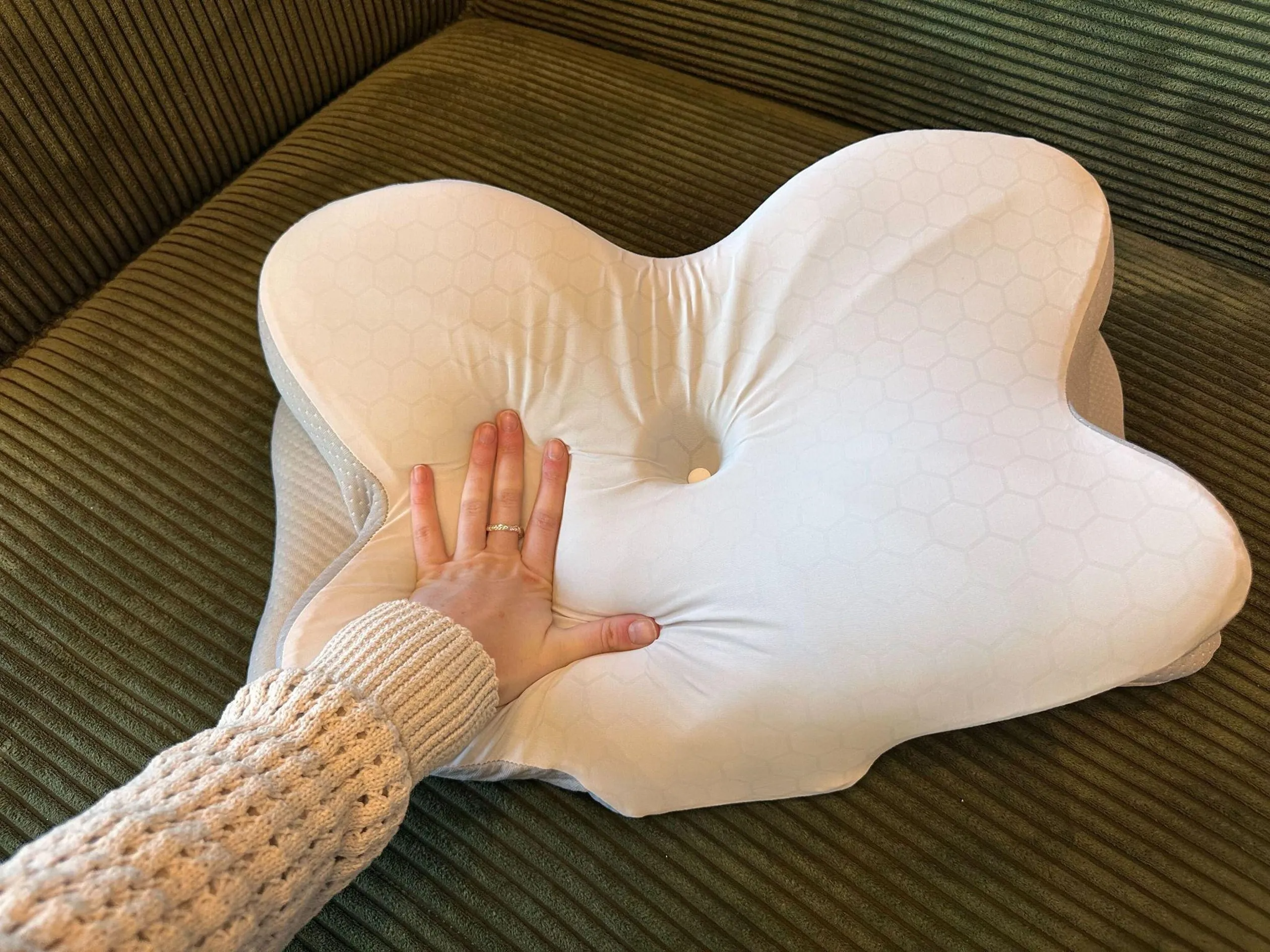
The butterfly contour isn't subtle — it's a specific engineering choice that becomes immediately clear when you see it in person.
What the Design Actually Does
Every detail of the Derila Ergo has a functional reason — and understanding what each element does helps you evaluate whether it's solving your specific problem.
-
🦋
Butterfly Contour ShapeThe defining feature. Two raised wings flanking a central depression — not aesthetic, but purposeful engineering designed to address the full upper-body sleep posture rather than just adding height.
-
💎
High-Density Memory Foam (~4 lbs/ft³)Higher density means the foam holds its shape longer and provides firmer, more consistent support compared to lower-density alternatives. It also means the pillow doesn't flatten under use over months.
-
❄️
Breathable, Machine-Washable CoverThe 2026 model features a breathable fabric cover designed to manage heat better than older closed-cell foam variants. The cover is removable and washable — a practical necessity for a nightly-use item.
-
📦
Vacuum-Sealed PackagingArrives compressed in a compact roll, reducing shipping size. Allow 2–4 hours for full expansion before first use. Gives the foam cells time to fully oxygenate for the intended 13 cm loft.
-
🌿
Hypoallergenic MaterialThe foam and cover are designed to resist dust mites and common allergens — relevant for anyone with sensitivities or asthma who wants to reduce bedroom triggers.
One Thing Many Reviews Miss: It Travels Well
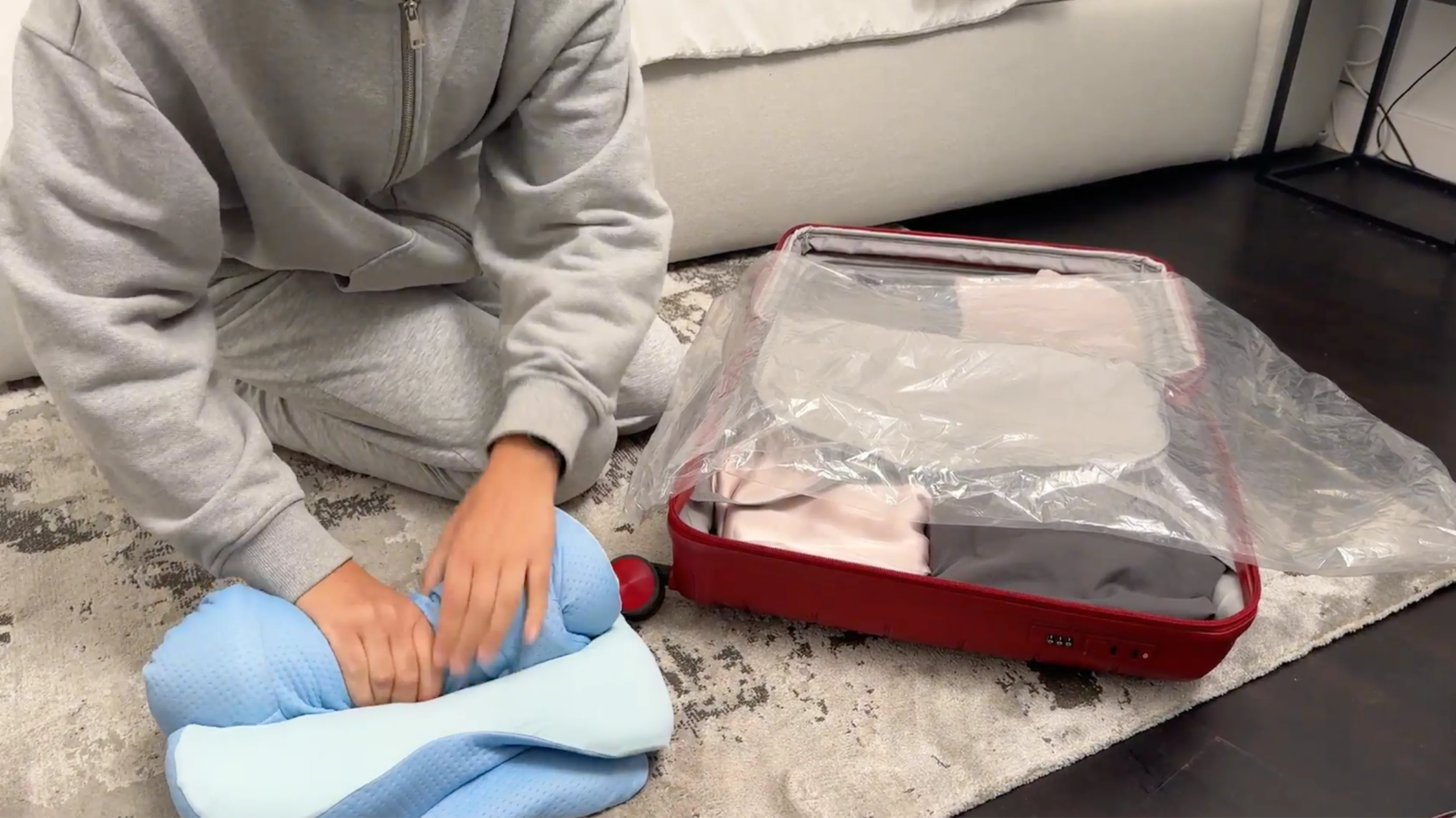
Because the Derila Ergo ships vacuum-sealed and compressed, it can also be recompressed for travel — fitting into a carry-on or checked bag and expanding back to its full shape once unpacked at your destination.
For anyone who's experienced the particular misery of waking up in a hotel with a flat or oversized pillow after a long-haul flight, this is a genuinely useful feature. Several users in independent reviews specifically mentioned that they now travel with their Derila rather than accepting whatever the hotel provides.
It's not a dedicated travel pillow — it's a full-size ergonomic pillow that happens to be compact enough to bring along when sleep quality on the road matters.
Why the Official Website Is the Only Place Worth Buying From
As the Derila Ergo has grown in popularity, counterfeit and low-quality imitations have appeared on major marketplaces. This matters more than it might seem — a foam pillow that looks identical externally may use entirely different foam density and composition internally, which directly affects whether it actually provides cervical support or just simulates the shape.
- Amazon listings from third-party sellers cannot guarantee authentic Derila foam density or quality standards
- eBay and similar platforms have no mechanism to verify the product is genuine
- Marketplace purchases typically don't qualify for the official 60-day return policy
- Customer support access and replacement cover availability depend on being an official site buyer
The 60-day return window — which is the strongest argument for trying this pillow — only applies to purchases made directly at the official website. That guarantee is the entire safety net. Losing it by buying elsewhere removes the main reason to feel confident about the decision.
Go to Official Site — Authentic Only →
Pros & Cons — The Honest Balance
No product is right for everyone. Here's what genuinely works well, and what you should know before committing.
✓ What Works Well
- Butterfly contour addresses the full upper-body posture problem, not just pillow height
- High-density memory foam maintains its shape over time, unlike fill pillows that flatten
- Side sleeper shoulder arch wings fill the shoulder-to-ear gap that causes most side-sleeping neck pain
- Breathable, machine-washable cover is practical for long-term daily use
- Compresses for travel and expands back to full shape — genuinely useful for frequent travelers
- Hypoallergenic materials make it suitable for those with dust mite sensitivities
- 60-day return window provides a meaningful trial period, not just a token guarantee
↳ Things to Keep in Mind
- The 3–7 night adaptation period is real — the first nights may feel unfamiliar, especially coming from a soft flat pillow
- At 13 cm of fixed loft, it's not adjustable — petite individuals or those with short necks may find the height too steep
- Dedicated stomach sleepers will find this pillow uncomfortable; the loft is engineered for back and side, not front
- The butterfly shape means standard pillowcases don't fit properly — Derila's dedicated covers are the practical solution, but it's an additional consideration
- Off-gassing upon first opening is normal for memory foam — allow a few hours of ventilation before first use
Setting Realistic Expectations
Understanding what this pillow can and cannot do helps you evaluate results accurately.
What to Expect
- An adjustment period of 3–7 nights before your neck fully relaxes into the correct position
- Noticeable reduction in morning neck and shoulder stiffness for most back and side sleepers
- Less tossing and turning once the body settles into a supported position
- A faint foam smell on first unpacking — normal and resolves within hours in a ventilated room
- 2–4 hours of expansion time needed before first use after removing from packaging
What Not to Expect
- Instant results on night one — the adaptation curve is part of the process
- A perfect fit for very petite individuals or dedicated stomach sleepers
- Transformation from severe cervical injury or clinical spinal conditions — this is a sleep pillow, not medical treatment
- Standard pillowcases to fit — the butterfly shape requires dedicated covers
- The ability to adjust the loft height — the foam is fixed at 13 cm
Common Concerns, Answered Honestly
Are there any concerns about the foam materials?
The Derila Ergo uses CertiPUR-US certified memory foam, which verifies that the foam is made without ozone-depleting chemicals, heavy metals, formaldehyde, or prohibited flame retardants. The off-gassing smell on first opening is a standard and harmless release of VOCs from polyurethane foam — it dissipates within hours in a well-ventilated room.
Is there anyone who should be cautious about using it?
Those with diagnosed cervical spine conditions, herniated discs, or post-surgical neck recovery should consult a healthcare professional before switching to any new ergonomic pillow. The Derila Ergo is a sleep comfort product, not a medical device. Petite individuals and dedicated stomach sleepers are most likely to find the fixed 13 cm loft uncomfortable.
Will the foam break down or lose support over time?
High-density memory foam (approximately 4 lbs per cubic foot) holds its shape and support characteristics longer than lower-density alternatives. Standard memory foam pillows typically degrade noticeably after 1–2 years. The Derila's reported density suggests a longer useful lifespan, though durability with extended use varies by individual weight, usage frequency, and care.
Can this pillow worsen neck pain during the adjustment period?
Some users do report temporary discomfort in the first 2–3 nights as their neck muscles — accustomed to a compensated position — readjust to neutral alignment. This is different from pain caused by injury. If discomfort is sharp, worsens after the first week, or is accompanied by radiating numbness, discontinue use and consult a professional before continuing.
Frequently Asked Questions
What is the Derila Ergo Pillow?
It's a high-density memory foam pillow with a butterfly-shaped contour, engineered to support cervical spine alignment during sleep. Its design addresses the shoulder-to-ear gap for side sleepers and the neck cradle position for back sleepers — functional features that flat pillows cannot replicate.
What makes the butterfly shape different from a standard pillow?
A standard rectangular pillow provides height but no directional support. The butterfly contour includes a central head cradle, elevated shoulder arch wings, arm support cutouts, and a lower neck rest zone — each targeting a specific postural issue. The shape is purposeful engineering, not marketing aesthetics.
How long until I notice a difference?
Most users report a meaningful improvement within 1–3 nights. Those with longer-term neck tension may take 5–7 nights as muscles fully adapt to the correct neutral position. The 60-day return window gives you more than enough time to evaluate results honestly.
Is it safe for people with neck conditions?
The Derila Ergo is a sleep comfort product, not a medical device. For those with diagnosed cervical conditions, post-surgical recovery, or radiating nerve symptoms, a healthcare professional should be consulted before introducing any new ergonomic sleep product. For general morning stiffness and tension, it's designed as a safe, non-invasive option.
What does the return/guarantee policy cover?
The official website offers a 60-day return window. This applies to purchases made directly at the official site — not to marketplace listings on Amazon, eBay, or similar platforms, where the guarantee typically doesn't apply. The 60-day window is long enough to complete the adaptation period and assess results.
Where should I buy the Derila Ergo Pillow?
The official website is the only place that guarantees authentic foam density, access to the 60-day return policy, official replacement covers, and direct customer support. Third-party marketplace listings may offer lower prices but cannot guarantee product authenticity or policy eligibility.
Does it work for stomach sleepers?
No — the 13 cm loft is designed for back and side sleeping. Dedicated stomach sleepers need a near-flat profile for safe cervical alignment; the Derila Ergo's height would push the neck into an uncomfortable and potentially harmful upward arch in a face-down position. This is clearly noted in independent reviews.
Do I need special pillowcases for it?
Standard rectangular pillowcases don't fit the butterfly contour — excess fabric tends to bunch near the neck and can interfere with the ergonomic design. Derila offers dedicated covers in Standard and King sizes, and these are the recommended option for maintaining both hygiene and the intended support geometry.
Final Verdict: Is the Derila Ergo Pillow Worth It?
What separates the Derila Ergo from the category of "ergonomic-looking" pillows is specificity. The butterfly contour isn't a marketing aesthetic — it's a functional response to a documented problem: the gap between shoulder and ear that flat pillows cannot bridge for side sleepers, and the lack of graduated neck support that back sleepers need to avoid anterior head tilt. The design has clinical backing in the broader category of contoured cervical pillows, independent of the brand itself.
The high-density foam composition matters too. At approximately 4 lbs per cubic foot, the pillow maintains its structural integrity under use over time — something lower-density fill pillows simply cannot do. The breathable, washable cover and hypoallergenic materials are practical additions that make this a long-term daily use product, not a novelty.
The 60-day return window is the clearest signal that the brand stands behind the product. For a sleep item, that's a genuinely meaningful period — long enough to move through the adaptation curve, evaluate real results, and make an informed decision. It removes the primary risk of trying an ergonomic pillow for the first time.
Is it right for everyone? No. Stomach sleepers and very petite individuals will likely find the 13 cm loft too high. The fixed height means you either fit the design or you don't — and the best way to find out is to use the trial period honestly rather than assume. For back and side sleepers dealing with recurring morning stiffness, it is one of the most coherently designed options available in 2026.
Ready to Try It Risk-Free?
The 60-day return window means you can test the Derila Ergo through the full adaptation period and beyond. If it doesn't work for your body, you return it. That's the honest case for giving it a try.
See Current Pricing on the Official Site →
What Buyers Are Actually Saying
Aggregated from verified buyer feedback and independent review sources. Results vary based on sleep position, frame size, and consistency of use.
"Three years of waking up stiff. Gone by night four."
Chronic neck stiffness every single morning for years. By the fourth night with the Derila Ergo, it was gone. The shape felt unusual at first — I almost returned it after night two — but I'm glad I stuck with it.
"The shoulder wings are genuinely different."
I've been a side sleeper my whole life with shoulder pain every morning. Two weeks in and it's completely gone. My husband ordered one after watching me wake up without complaining for the first time in years.
"I didn't expect the snoring improvement."
My partner reported that my snoring reduced dramatically in the first week. The pillow keeps my neck aligned in a position that apparently opens the airway. Neither of us expected that. We both sleep better now.
"The 60-day window was what made me try it."
I was skeptical of ergonomic pillows after trying two that didn't work. The 60-day return policy was the only reason I gave it a shot. Didn't need the return — but knowing it was there made the decision easy.
"No medication. Just a better pillow."
I'd been considering physical therapy for my neck. Decided to try fixing my sleep position first. The Derila was my first experiment and it made a real difference. Something this simple shouldn't work as well as it does.
"I take it everywhere now."
Travel was always the worst for my neck — hotel pillows are either flat or enormous. The Derila compresses enough to fit in my carry-on and pops back to shape. It's changed how I think about sleep away from home.
Individual results vary. Testimonials represent typical buyer experiences based on independent review aggregation. Results depend on sleep position, body type, and consistency of use.